
Let's Have a Ball! - Queer Love, Family, and Joy
Authored by UMIH Intern Patrick Fermin
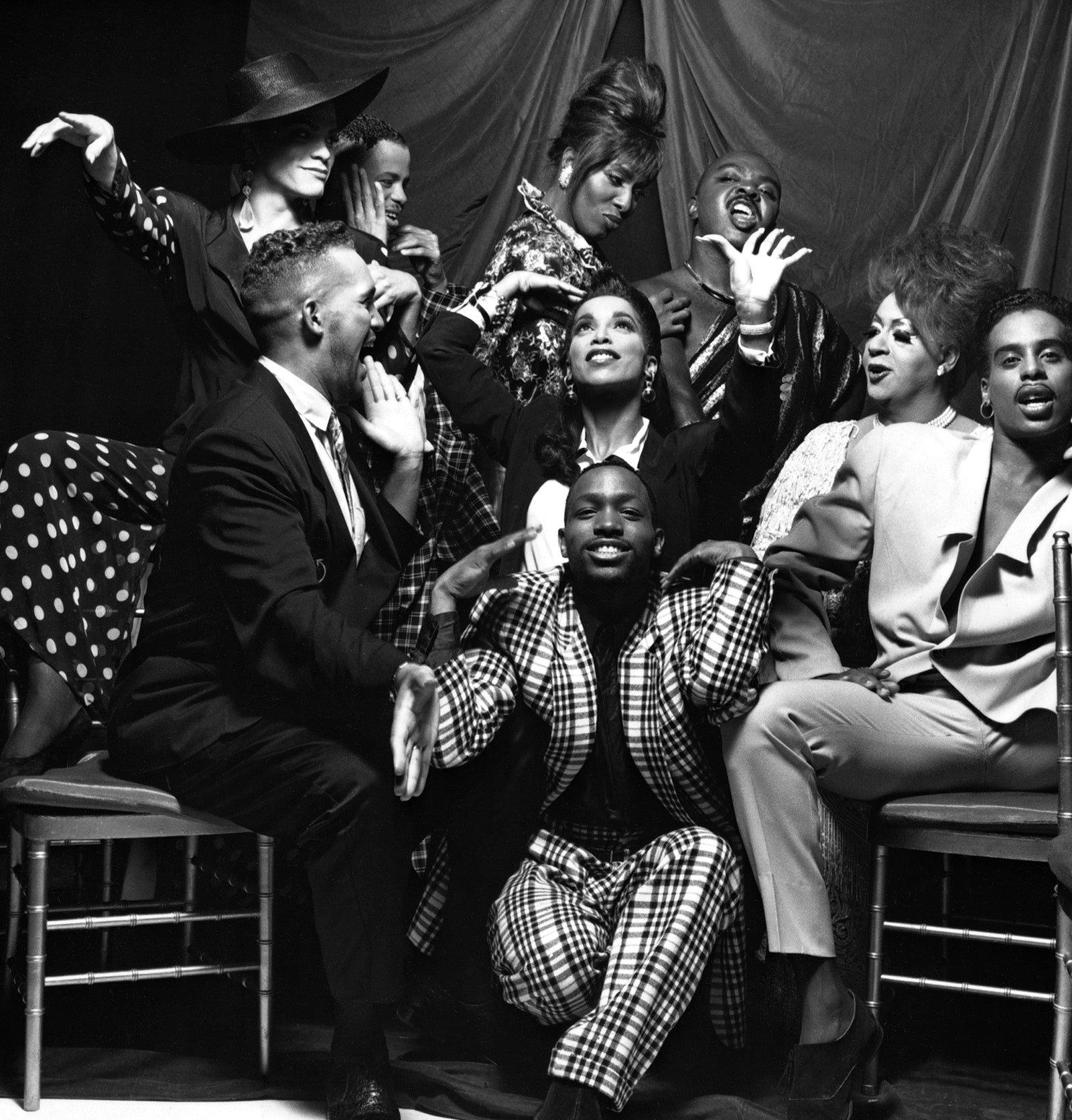
The cast of Paris Is Burning photographed in 1991. Janus Films.
When I was planning my second film screening for the University of Manitoba’s Institute for the Humanities, I really wanted to feature a film that brought love and warmth in me. That film is Paris is Burning, directed by Jennie Livingston and released in 1990. My aims were to show this film, which has shaped queer culture since its release, and to discuss its complicated history and impact. What we ended up discussing about was the beautiful and unforgettable people in the movie. A movie about the gay ballroom scene in 1980s New York City, the film transports us to a culture that is brimming with love, talent, hopes, and dreams. Paris is Burning, though not a perfect film, serves as a record of queer resilience and survivance.
The film opens with the bustling sounds of New York City: cars rush past the highway and music fills the littered streets where people are dancing and loitering. Headed to the ball, Pepper Labeija is walking down the street in an opulent golden gown with exaggerated puffed sleeves (the largest puffed sleeves one could imagine). Inside the ball, the sounds of overwhelming cheers and whistles greet Pepper as she walks the runway, her golden dress glittering under the yellow lights of the room. This introduction to the ball is electric; the screaming is tantalizing as people stand on tables to get a better look. As Pepper is slowly taking off her outer dress and puffed sleeves to reveal a golden lame dress with gold metal fringes, the exuberance and power of the person we are watching is palpable.
Pepper Labeija is one example of the legendary people in this movie, which include icons such as Willie Ninja, Dorian Corey, Venus Xtravaganza, Freddie Pendavis, and so many more. Watching them explain the ballroom scene, but also their own personal lives, we witness queer joy as a site of resilience in the face of marginalization. Houses, which are the organizational groups named after ballroom legends, give a place for queer people to find new families. These houses accept people who have been rejected by their families and cast out of their homes. Together, participants in ball culture create their own families, a place of love and belonging where they can be their true selves. This extends to the ballroom itself: the balls become a place where the self can be realized, where dreams can come true for a moment.
What the film exemplified for us who were fortunate to see it was just how impactful ballroom has been to the people who has lived it. For people like Pepper, Willie, Venus, and Octavia Saint Laurent, the balls shape their identities. Participating and winning makes them legends. It also extends to their lives outside of the ballroom. For example, Pepper is the mother of the house of Labeija, meaning she mentors new participants, or ‘children,’ to the artform. Willie aspires to taking vogueing outside of New York City and being the face of it for the world to see. Venus’s dreams of having a sex change, to finally feel like her true self, is shaped by the ballroom and the people she came into contact with there. Octavia wishes to be a model, to be photographed with the beautiful women she idolizes in the posters on her walls. All of them are shaped by the balls and by being queer, and they all exemplify the humanity in this film. They search for their truth, and to achieve their purpose in life, whatever it may be.
The film caps off in one of the most iconic monologues ever captured on film, one that sticks with you even after just a single viewing. Dorian Corey is putting on makeup in her apartment when she confesses that she dreamed of being a big star. She realizes that it is just enough to make it through the world: that when you do, you have made a mark upon it. If only they knew the mark they left upon the world, the legends that they are and always will be to a community who continues to fight to be recognized and respected. Although not a perfect film, Paris is Burning is one of the most important films for me. It reminds of the people that came before me, the ones who fought to be seen and heard when the world tried to force them to be quiet.